Limitations Of Homes Using Heat Pumps, Resistance Heating, Steam Heating And Radiant Floor Heating
Leave a message
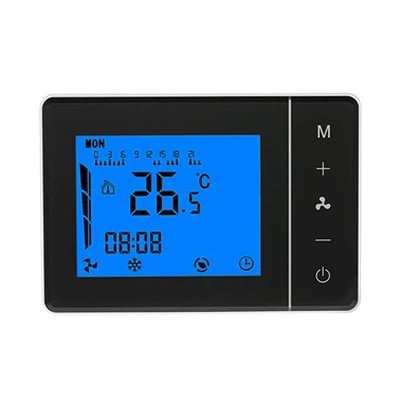
Programmable thermostats are usually not recommended for heat pumps. In cooling mode, a heat pump operates similarly to an air conditioner, so turning on the thermostat (manually or using a programmable thermostat) will save energy and money. However, when the heat pump is in heating mode, turning down the thermostat may cause the unit to operate inefficiently, offsetting any savings realized by lowering the temperature setting. Maintaining a moderate setting is the most cost-effective approach. Recently, however, some companies have begun to market programmable thermostats designed specifically for heat pumps, which makes setting the thermostat cost-effective. These thermostats typically use special algorithms to minimize the use of backup resistance heating systems.
Resistance systems, such as electric baseboard heating, require thermostats that can directly control 120- or 240-volt circuits. Only a few companies line voltage-programmable thermostats.
Steam heating and radiant floor heating systems have slow response times (up to several hours), leading some to consider these systems unsuitable for setbacks. However, some manufacturers now offer thermostats that can track the performance of a heating system to determine when to turn it on in order to achieve a comfortable temperature at the time you set.
Alternatively, a regular programmable thermostat can be set to begin cooling before you leave or go to bed and return to a normal temperature two to three hours before you wake up or return home. This may take some guesswork at first, but with some trial and error, you can still save energy while keeping your home comfortable.