How to Select Thermostat Load Capacity & Max Power Compatibility for Heating Devices
Leave a message
1. Why Load Capacity Selection Matters
Smart thermostat acts as the core controller of heating systems. Improper load matching will result in inaccurate temperature control, frequent circuit tripping, premature device wear and hidden electrical dangers. Correct selection lays a solid foundation for safe and steady heating operation.
2. Fundamental Selection Rule
Always leave adequate safety margin. Avoid long-time operation with heating power approaching the thermostat's peak load value. Most heating devices are resistive load with stable starting current, which simplifies power matching work. Select corresponding thermostat specs based on actual power of heating appliances.
3. Power Grade Matching
Standard load thermostat: Suits low-power household heating, ideal for bedrooms and small living spaces
High load thermostat: Applies to large residences, stores and offices with high-power centralized heatingVerify rated current and power parameters on product labels to finish accurate pairing.
4. Practical Selection Advice by Scenarios
Zoned heating system: Pick multi-channel independent load thermostat to ensure separate stable control
Damp and enclosed areas: Opt for models with high protection level and flame retardant housing
Durable usage requirement: Precision load control lessens overload shock and extends service life
5. Product Strength & Practical Value
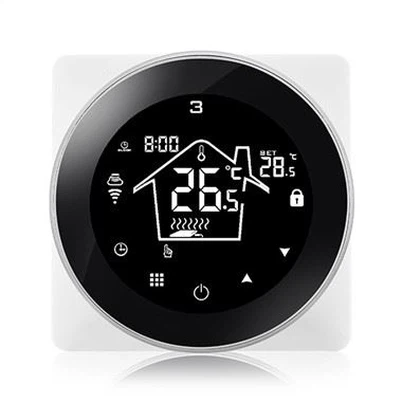
Equipped with stable internal circuit and full range of specifications, the thermostats fit residential, commercial and engineering heating occasions. Proper load collocation delivers precise temperature adjustment and energy efficiency, guaranteeing long-term reliable performance and comfortable heating experience.