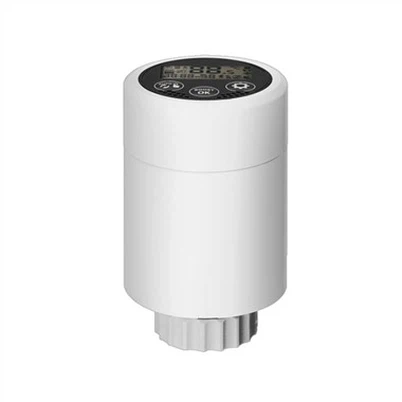
What is the difference between a thermostatic and normal radiator valve?
Leave a message

The main difference between
thermostatic radiator valve (TRV) and a normal (manual) radiator valve lies in their ability to regulate temperature automatically.
1. Thermostatic Radiator Valve (TRV)
Automatic Temperature Control: Uses a temperature-sensitive element (usually wax or liquid) to adjust flow based on room temperature.
Energy Efficient: Reduces heating costs by shutting off when the desired temperature is reached.
Adjustable Settings: Typically has programming settings,The temperature and valve opening degree can be adjusted arbitrarily
Room-Specific Control: Allows different temperatures in different rooms.
Self-Regulating: No manual adjustment needed once set.
2. Normal (Manual) Radiator Valve
Manual Control: Requires turning the valve handle to adjust flow-fully open, partially open, or closed.
No Temperature Sensing: Does not respond to room temperature changes; relies on user input.
Less Energy Efficient: If left fully open, it can waste energy by overheating a room.
Simpler & Cheaper: Often used in systems where individual room control isn't a priority.
Key Differences Summary
| Feature | Thermostatic Valve (TRV) | Manual Valve |
| Control | Automatic (temp-based) | Manual |
| Energy Use | More efficient | Less efficient |
| Adjustment | Set-and-forget | Requires manual changes |
| Cost | Higher upfront | Lower cost |
| Comfort | Maintains stable temp | Varies with manual input |
When to Use Which?
TRVs are ideal for energy savings and zoned heating control.
Manual valves are suitable for rarely used rooms or where a simple on/off control is sufficient.