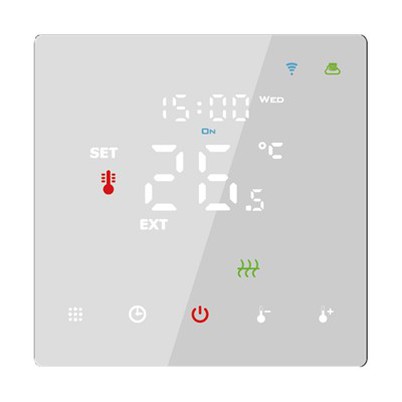
How to Choose the Right Thermostat for High‑Humidity, High‑Temperature, and Dusty Environments
Leave a message
In industrial manufacturing, agriculture, greenhouses, warehouses, marine facilities, and processing plants, high humidity, high temperature, and heavy dust are three of the most destructive threats to temperature control equipment. Standard thermostats quickly fail from corrosion, drift, short‑circuiting, or dust blockage, leading to unstable production, higher energy costs, and frequent downtime.
This professional guide will help you select a rugged, long‑lasting thermostat that performs reliably in harsh environments, with clear technical criteria you can apply immediately.
Why Ordinary Thermostats Fail in Harsh Conditions
Standard residential and light‑commercial thermostats are not built for extreme environments.
High humidity causes condensation, corrosion, and electrical leakage
High temperature degrades internal components and creates accuracy drift
Dust clogs sensors, blocks air intakes, and damages moving parts
The result: premature failure, inaccurate control, and unplanned maintenance.
Core Selection Criteria for Harsh‑Environment Thermostats
1. Protection Level: IP Rating & Sealing
Prioritize IP65, IP67, or NEMA 4X sealed enclosures.
Resist moisture, condensation, and hose‑directed water
Block dust, dirt, and airborne particles
Prevent internal short‑circuit and sensor contamination
2. Wide & Stable Temperature Range
Choose models designed for extended operating temperatures, typically:
Working range: -40°C to +85°C or higher
Calibrated accuracy even at extreme ends
Thermal compensation to avoid drift in high heat
3. Corrosion‑Resistant & Rugged Materials
Sensor probes: 304/316 stainless steel
Cables: high‑heat, waterproof Teflon or silicone insulation
Sealed internal components to resist humidity and chemical fumes
4. Anti‑Dust & Anti‑Condensation Design
Fully enclosed or potted electronics
No open vents or exposed sensing elements
Optional condensation prevention or heater integration
5. Precision & Stability
Temperature accuracy: ±0.5°C to ±1°C
Long‑term stability: low annual drift
Suitable for continuous 24/7 operation
6. Installation & Compatibility
DIN‑rail, surface, or duct mounting
Compatible with heaters, fans, condensers, and HVAC systems
Optional digital display, alarm, or RS485/Modbus for smart monitoring
Conclusion
A thermostat that survives high humidity, high temperature, and dust is not an upgrade - it's a necessary investment for continuous production, lower maintenance, and stable process control. Cutting corners on environmental resistance leads to far higher long‑term costs from failures, repairs, and downtime.
By following the professional criteria above, you can select a rugged thermostat that delivers consistent performance, even in the harshest working conditions.