

What materials are used to make electric actuators?
Leave a message

When it comes to electric actuators, understanding the materials used in their construction is crucial. As a leading supplier of electric actuators, I've witnessed firsthand the importance of these materials in ensuring the performance, durability, and reliability of our products. In this blog, I'll delve into the various materials commonly used to make electric actuators and explain why they are essential for different applications.
Metals: The Foundation of Electric Actuators
Metals are the most widely used materials in electric actuator construction due to their strength, durability, and conductivity. Here are some of the key metals used:
Steel
Steel is a popular choice for electric actuator housings and components because of its high strength and resistance to wear and corrosion. Stainless steel, in particular, is often used in applications where the actuator will be exposed to harsh environments or chemicals. It provides excellent protection against rust and corrosion, ensuring a long service life for the actuator. For example, in industrial settings where actuators are used to control valves in chemical processing plants, stainless steel housings can withstand the corrosive effects of chemicals and maintain their structural integrity.
Aluminum
Aluminum is another commonly used metal in electric actuator construction. It is lightweight, which makes it ideal for applications where weight is a concern, such as in aerospace or automotive industries. Aluminum also has good thermal conductivity, which helps to dissipate heat generated by the actuator's motor and electronics. This can improve the overall efficiency and reliability of the actuator. Additionally, aluminum is resistant to corrosion, making it suitable for outdoor or marine applications.
Brass
Brass is a copper-zinc alloy that is often used for electrical contacts and connectors in electric actuators. It has excellent electrical conductivity, which ensures efficient transfer of electrical signals and power. Brass is also resistant to corrosion and has good mechanical properties, making it a reliable choice for these critical components.
Plastics: Versatile and Cost-Effective
Plastics are increasingly being used in electric actuator construction due to their versatility, cost-effectiveness, and lightweight nature. Here are some of the common plastics used:
Polycarbonate
Polycarbonate is a high-performance plastic that is known for its excellent impact resistance and transparency. It is often used for actuator covers and enclosures, providing protection for the internal components while allowing for easy visual inspection. Polycarbonate is also resistant to UV radiation, making it suitable for outdoor applications.

Acrylonitrile Butadiene Styrene (ABS)
ABS is a popular thermoplastic that is known for its strength, toughness, and ease of processing. It is often used for actuator housings and brackets, providing a cost-effective alternative to metal components. ABS can be easily molded into complex shapes, allowing for the design of compact and lightweight actuators.
Polyoxymethylene (POM)
POM, also known as acetal, is a high-strength engineering plastic that is often used for gears and bearings in electric actuators. It has excellent wear resistance and low friction properties, which helps to reduce noise and improve the efficiency of the actuator. POM is also resistant to chemicals and moisture, making it suitable for a wide range of applications.
Electrical Components: Powering the Actuator
In addition to the mechanical components, electric actuators also rely on a variety of electrical components to function properly. Here are some of the key electrical components used:
Motors
The motor is the heart of an electric actuator, providing the power to drive the actuator's movement. There are several types of motors used in electric actuators, including DC motors, AC motors, and stepper motors. DC motors are commonly used in applications where precise control and variable speed are required, such as in robotics and automation. AC motors are often used in industrial applications where high power and reliability are needed. Stepper motors are used in applications where precise positioning is required, such as in 3D printers and CNC machines.
Circuit Boards
Circuit boards are used to control the operation of the electric actuator's motor and other components. They contain a variety of electronic components, such as microcontrollers, sensors, and relays, which work together to regulate the actuator's movement and monitor its performance. Circuit boards are typically made of fiberglass or other insulating materials, with copper traces printed on them to provide electrical connections.
Sensors
Sensors are used to provide feedback to the actuator's control system, allowing it to monitor the position, speed, and force of the actuator. There are several types of sensors used in electric actuators, including potentiometers, encoders, and limit switches. Potentiometers are used to measure the position of the actuator's shaft, while encoders provide more precise position feedback. Limit switches are used to detect the end points of the actuator's movement and prevent it from overtraveling.
Other Materials: Enhancing Performance and Functionality
In addition to the metals, plastics, and electrical components, electric actuators may also use other materials to enhance their performance and functionality. Here are some examples:
Seals and Gaskets
Seals and gaskets are used to prevent the ingress of dust, moisture, and other contaminants into the actuator's internal components. They are typically made of rubber or other elastomeric materials, which provide a flexible and durable seal. Seals and gaskets are essential for ensuring the reliability and longevity of the actuator, especially in harsh environments.
Lubricants
Lubricants are used to reduce friction and wear between the moving parts of the actuator, improving its efficiency and extending its service life. There are several types of lubricants used in electric actuators, including oils, greases, and dry lubricants. The choice of lubricant depends on the specific application and the operating conditions of the actuator.
Thermal Management Materials
Thermal management materials are used to dissipate heat generated by the actuator's motor and electronics, preventing overheating and ensuring reliable operation. These materials include heat sinks, thermal pads, and fans. Heat sinks are typically made of aluminum or copper and are designed to increase the surface area of the actuator, allowing for more efficient heat transfer. Thermal pads are used to provide a thermal interface between the heat-generating components and the heat sink, improving the transfer of heat. Fans are used to increase the airflow around the actuator, further enhancing the cooling effect.
Conclusion
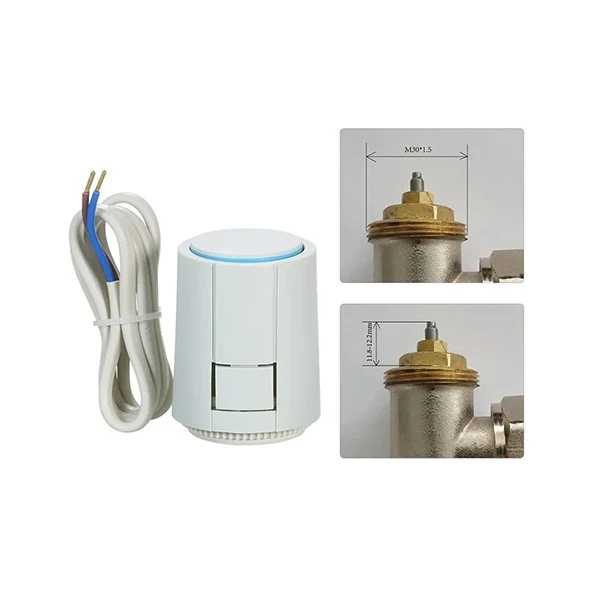
In conclusion, electric actuators are complex devices that rely on a variety of materials to function properly. Metals, plastics, electrical components, and other materials all play important roles in ensuring the performance, durability, and reliability of the actuator. As a supplier of electric actuators, we carefully select the materials used in our products to meet the specific requirements of our customers' applications. Whether you need a Thermal Electric Actuator 24v, Electric Thermal Actuators, or Underfloor Heating Valve Actuators, we have the expertise and experience to provide you with high-quality products that meet your needs.
If you're interested in learning more about our electric actuators or would like to discuss your specific requirements, please don't hesitate to contact us. Our team of experts is ready to assist you with your procurement needs and help you find the right solution for your application.
References
- "Materials Science and Engineering: An Introduction" by William D. Callister Jr. and David G. Rethwisch
- "Electric Actuators: Principles, Design, and Applications" by A. B. Chattopadhyay
- Manufacturer's specifications and technical documentation for electric actuators


