

Does a Mini Electric Actuator require a special power supply?
Leave a message

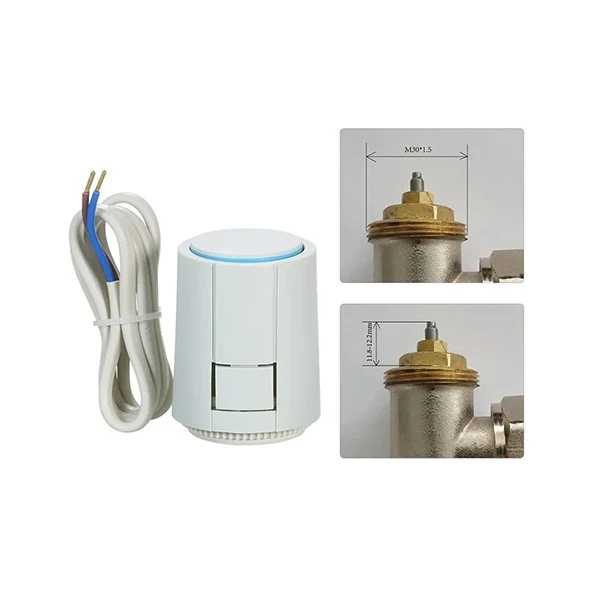
In the dynamic world of industrial automation and control systems, mini electric actuators have emerged as indispensable components, offering precise motion control in a compact form factor. As a leading supplier of mini electric actuators, I often encounter a common question from our customers: Does a mini electric actuator require a special power supply? In this blog post, I will delve into this topic, exploring the power requirements of mini electric actuators and providing insights to help you make informed decisions for your applications.
Understanding Mini Electric Actuators
Before we discuss the power supply requirements, let's briefly understand what mini electric actuators are and how they work. Mini electric actuators are devices that convert electrical energy into mechanical motion. They are designed to provide linear or rotary motion with high precision and repeatability, making them ideal for a wide range of applications, including robotics, medical equipment, automotive systems, and industrial automation.
These actuators typically consist of a motor, a gearbox, a control circuit, and a feedback mechanism. The motor is the heart of the actuator, responsible for generating the mechanical force required to move the load. The gearbox reduces the speed of the motor and increases the torque, allowing the actuator to handle heavier loads. The control circuit regulates the operation of the motor, ensuring that the actuator moves to the desired position accurately. The feedback mechanism provides information about the position and speed of the actuator, allowing the control circuit to adjust the motor's operation accordingly.
Power Supply Requirements of Mini Electric Actuators
The power supply requirements of mini electric actuators depend on several factors, including the type of actuator, the application requirements, and the operating environment. In general, mini electric actuators can be powered by either AC or DC power sources.
AC Power Supply
AC power supplies are commonly used in industrial applications where a reliable and stable power source is available. Mini electric actuators that are designed to operate on AC power typically require a specific voltage and frequency, which are determined by the actuator's specifications. For example, some actuators may require a 110V or 220V AC power supply at a frequency of 50Hz or 60Hz.
One of the advantages of using an AC power supply is that it is widely available and can be easily integrated into existing electrical systems. However, AC power supplies may require additional components, such as transformers and rectifiers, to convert the AC voltage to the appropriate DC voltage required by the actuator. These additional components can increase the cost and complexity of the system.
DC Power Supply
DC power supplies are often used in applications where portability, flexibility, and energy efficiency are important. Mini electric actuators that are designed to operate on DC power typically require a specific voltage, which is determined by the actuator's specifications. For example, some actuators may require a 12V, 24V, or 48V DC power supply.
One of the advantages of using a DC power supply is that it can be easily integrated into battery-powered systems, making the actuator more portable and flexible. DC power supplies also tend to be more energy-efficient than AC power supplies, which can result in lower operating costs over time. However, DC power supplies may require additional components, such as voltage regulators and filters, to ensure a stable and reliable power supply.
Special Power Supply Considerations
In some cases, mini electric actuators may require a special power supply to meet the specific requirements of the application. Here are some special power supply considerations to keep in mind:
High-Speed Applications
In high-speed applications, mini electric actuators may require a power supply that can provide a high current and a fast response time. This is because high-speed actuators need to accelerate and decelerate quickly, which requires a large amount of power. A special power supply, such as a switching power supply, may be required to meet these requirements.
High-Torque Applications
In high-torque applications, mini electric actuators may require a power supply that can provide a high voltage and a high current. This is because high-torque actuators need to generate a large amount of force to move the load, which requires a large amount of power. A special power supply, such as a linear power supply, may be required to meet these requirements.
Harsh Environments
In harsh environments, mini electric actuators may require a power supply that is designed to withstand extreme temperatures, humidity, and vibration. This is because harsh environments can damage the power supply and affect the performance of the actuator. A special power supply, such as a ruggedized power supply, may be required to meet these requirements.
Choosing the Right Power Supply for Your Mini Electric Actuator
When choosing a power supply for your mini electric actuator, it is important to consider the following factors:
Actuator Specifications
The first step in choosing a power supply is to review the actuator's specifications. The specifications will provide information about the actuator's power requirements, including the voltage, current, and frequency. Make sure to choose a power supply that can provide the required voltage and current within the specified frequency range.
Application Requirements
The next step is to consider the application requirements. If the application requires high-speed or high-torque operation, you may need to choose a power supply that can provide a high current and a fast response time. If the application is in a harsh environment, you may need to choose a power supply that is designed to withstand extreme temperatures, humidity, and vibration.
Cost and Efficiency
Finally, you should consider the cost and efficiency of the power supply. While a special power supply may be required to meet the specific requirements of the application, it may also be more expensive than a standard power supply. Make sure to choose a power supply that provides the best balance between cost and performance.

Conclusion
In conclusion, the power supply requirements of mini electric actuators depend on several factors, including the type of actuator, the application requirements, and the operating environment. While most mini electric actuators can be powered by either AC or DC power sources, some applications may require a special power supply to meet the specific requirements of the application. When choosing a power supply for your mini electric actuator, it is important to consider the actuator's specifications, the application requirements, and the cost and efficiency of the power supply.
As a leading supplier of mini electric actuators, we offer a wide range of products and solutions to meet the diverse needs of our customers. If you have any questions or need further information about our products or power supply requirements, please do not hesitate to contact us. We are here to help you find the right solution for your application.
In addition to our mini electric actuators, we also offer a variety of other products, such as Electric Thermal Actuators, Manual Thermal Actuator Valve, and Crystal Head Thermal Actuator Valve. These products are designed to provide reliable and efficient operation in a wide range of applications.
If you are interested in purchasing our products or discussing your specific requirements, please contact us today. Our team of experts is ready to assist you with your procurement needs and provide you with the best solutions for your applications.
References
- "Electric Actuators: Principles, Types, and Applications." Industrial Automation Handbook.
- "Power Supplies for Electric Actuators." Electrical Engineering Journal.
- "Mini Electric Actuators: Design and Performance." Mechatronics Magazine.


